

The Connection Between Nutrition and Healing
Nutrition plays a vital role in the healing process, particularly for those recovering from work-related injuries or auto accidents. A balanced diet not only supports general well-being but can also enhance the effectiveness of medications prescribed for recovery. Nutrition acts almost like a secondary treatment, influencing how quickly and effectively a person can return to their normal activities.
When you are injured and undergoing treatment, the body requires specific nutrients to heal tissues, support the immune system, and manage inflammation. Proper nutrition can reduce recovery time and improve outcomes, demonstrating that the foods you consume are as important as the medications prescribed. For instance, vitamin C-rich foods like oranges and strawberries not only boost the immune system but also support collagen formation, crucial for tissue repair, while omega-3 fatty acids found in fish can help manage inflammation, which is often a painful side effect of injuries. Other vital nutrients include zinc, commonly found in meat and shellfish, which plays a significant role in maintaining the immune response and enabling proper wound healing.
Ensuring adequate protein intake is essential during recovery, particularly for muscle repair, as it provides the building blocks necessary for healing. Foods like chicken, turkey, and legumes play a vital role here, but it can also be beneficial to incorporate plant-based sources of protein, such as lentils, chickpeas, and quinoa, to diversify dietary intake. Moreover, staying hydrated sufficiently aids in the delivery of medications throughout the body. This makes it imperative to consume enough water and fluids. Hydration becomes even more important in the process of recovery as it helps to flush out toxins, replenishes lost electrolytes during injury recovery, and provides an optimal environment for the healing processes to occur.
Foods That Can Enhance Medication Effectiveness
Certain foods can interfere with or enhance the effectiveness of prescribed medications. It’s crucial for patients to understand these interactions and how to support their recovery through their diet. A balanced approach to nutrition can empower individuals, arming them with knowledge that can positively influence their health outcomes.
1. Leafy Greens: Vegetables such as spinach, kale, and broccoli are high in vitamin K, which is vital for blood clotting. This can be significant for patients on anticoagulants who need to monitor their vitamin K intake closely to prevent complications in their treatment. Additionally, leafy greens are packed with other vitamins and minerals that help maintain overall health.
2. Whole Grains: Foods like quinoa, brown rice, and oats not only provide essential carbohydrates that fuel energy but also contain fiber, which helps regulate digestion. Their rich nutrient profile supports overall health while promoting metabolic rate as the body heals, making them an indispensable part of a healing diet. Whole grain options contribute additional B vitamins that aid in energy metabolism and can bolster recovery.
3. Lean Proteins: Incorporate sources like lean meats, fish, eggs, beans, and legumes to provide amino acids that assist in tissue repair and recovery. For instance, a grilled salmon dish topped with fresh herbs is not only delicious but also provides healthy fats and protein. Plant-based proteins, such as tofu or tempeh, can also offer valuable nutrients necessary for healing, supporting both the body and sustainable dietary choices.
4. Berries: Rich in antioxidants, berries such as blueberries and raspberries offer anti-inflammatory properties that can help reduce swelling and enhance immune function, supporting the body’s healing process. They can be enjoyed in smoothies or as a snack, making them easy to incorporate. These fruits are not just tasty; they are powerhouses of vitamins and minerals that support cellular health.
5. Probiotic Foods: Foods like yogurt, kefir, and sauerkraut contain beneficial bacteria that support gut health. A balanced gut microbiome can play a significant role in overall health and recovery, aiding in nutrient absorption and potentially enhancing immune function. Studies suggest that a healthy gut can impact inflammation levels, making these foods key components in a healing diet. By including these foods in your diet, you take a proactive approach towards healing.
Hydration: The Unsung Hero in Medication Absorption
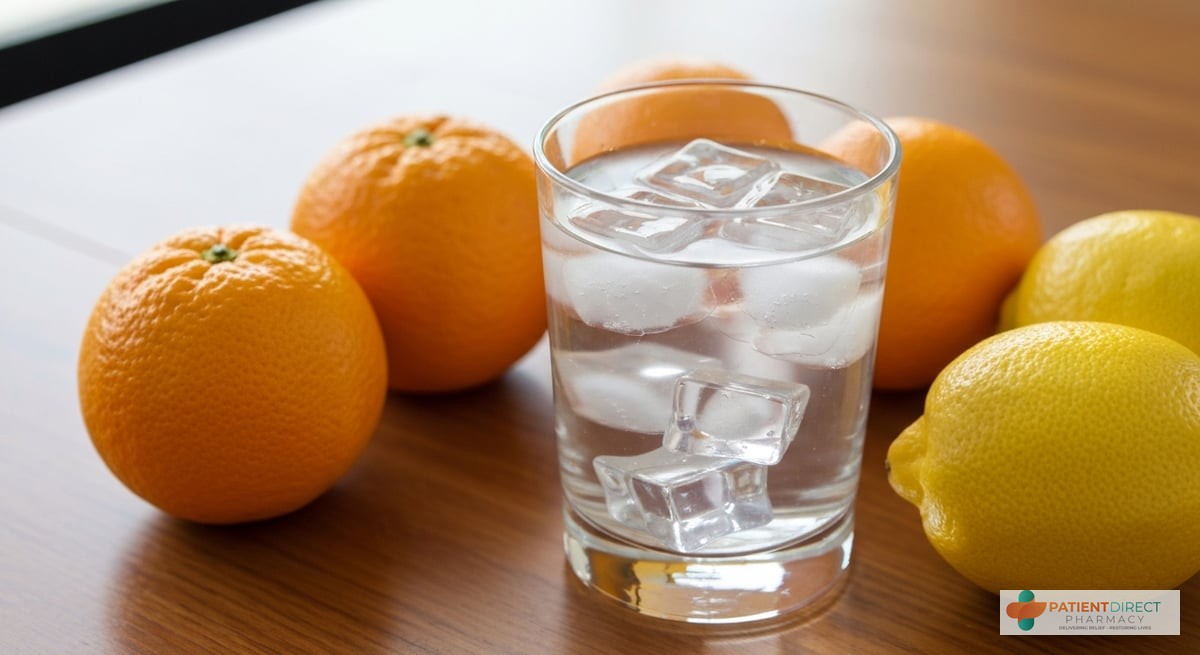
Hydration is oftentimes overlooked but is crucial for medication absorption and cellular function during recovery. When you are well-hydrated, your body can efficiently distribute medications, nutrients, and oxygen to where it is needed most. Proper hydration supports the body’s natural healing processes and ensures that every cell receives the nutrients it needs to function effectively. For instance, studies show that dehydration can lead to slower recovery times and may even promote feelings of fatigue, which can hinder rehabilitation efforts.
Inadequate hydration can lead to decreased medication effectiveness, increased side effects, and prolonged recovery times. It is recommended to aim for at least eight glasses of water daily; however, this amount could increase based on activity levels or the severity of injuries. For example, individuals recovering from surgery may need to increase fluid intake to replenish what is lost during the healing process. Incorporating fluids-rich foods like cucumbers, watermelons, and citrus fruits can also ensure adequate hydration, enriching your diet while keeping you refreshed. Herbal teas and broths can also contribute to your fluid intake and provide additional nutrients, making hydration an even more vital component of healing. To ensure you are meeting your hydration goals, using a dedicated water bottle and setting reminders throughout the day can be helpful strategies.
Understanding Nutrient-Medication Interactions
It’s essential to grasp the interactions between diet and medications. Some nutrients can enhance the effectiveness of specific drugs, while others can hinder their absorption. This understanding is crucial for patients managing chronic pain or recovering from injuries, as it allows them to tailor their diets for optimal therapeutic effect. By being aware of these interactions, patients can enhance the synergistic effects of their recovery strategies.
For example:
- Calcium and Antibiotics: Calcium can bind to certain antibiotics, effectively preventing the medication from being absorbed properly. It is advisable for patients to take these medications separately from dairy products or calcium-fortified foods to avoid these issues. This factor is particularly important for those recovering from severe infections who rely on antibiotics for healing.
- Vitamin C and Iron Supplements: Vitamin C enhances the absorption of iron, making it particularly beneficial for those taking iron supplements due to blood loss or anemia. Including foods such as bell peppers or citrus when consuming iron-rich foods can amplify its benefits. This is especially relevant for individuals recovering from procedures that may result in iron depletion, such as surgeries or injuries with blood loss.
- Fiber and Opioids: A high-fiber diet can help manage constipation, which is a common side effect of opioid medications used for pain management. Foods like whole grains, nuts, and legumes can assist in alleviating this uncomfortable side effect while supporting both regular digestion and recovery. It’s essential that patients discuss their dietary habits with healthcare providers to create a supportive eating plan.
Healthcare professionals should always be consulted to understand the best dietary approaches while on medication to avoid unintended side effects and ensure optimal healing. Regular discussions can uncover new insights and help patients adjust their diets based on changing needs during recovery, enhancing their overall treatment experience.
The Role of Patient Direct Pharmacy in Your Recovery Journey
At Patient Direct Pharmacy, we understand the complexities that injured workers and auto accident survivors face in managing their medications. With over 60 years of combined experience, we specialize in streamlining workers’ compensation and no-fault insurance prescriptions for patients in Indianapolis, IN, and surrounding areas. Our goal is to offer comprehensive support, addressing the various aspects that come with medication management.
We coordinate seamless communication between healthcare providers, patients, and insurers, ensuring timely prescription delivery with no out-of-pocket costs. Additionally, our licensed pharmacists provide guidance on how to incorporate nutrition effectively into your medication management strategy, aiming to enhance your healing process. They can recommend specific dietary habits and provide insights tailored to your unique situation, helping you maximize the benefits of both your medications and dietary choices. This might include personalized meal plans or resources to help patients choose foods that align with their recovery goals.
Conclusion: Nutrition as a Cornerstone of Healing
As you navigate the path to recovery, remember that nutrition plays a pivotal role in healing and the effectiveness of your prescribed medications. Incorporating healing foods into your daily diet can provide immense benefits, enhancing recovery and improving overall quality of life. At Patient Direct Pharmacy, we are here to support you through your recovery journey, ensuring you have access to necessary medications while also providing guidance on how nutrition can optimize your healing.
Reach out to us today to learn more about our services, and let us be your dedicated partner in recovery. By prioritizing both medication management and proper nutrition, you can take significant steps to improve your health outcomes and return to your normal life more swiftly and effectively. A holistic approach that integrates both medication and nutrition can empower you on the journey back to health.
Common Questions
How can nutrition help enhance my recovery from injury?
Proper nutrition provides essential nutrients that promote healing, support immune function, and may enhance medication effectiveness. A diet rich in vitamins, minerals, and proteins plays a critical role in faster recovery times.
Are there specific foods to avoid while on medication?
Yes, certain foods like grapefruit can interfere with some medications. Consulting with your healthcare provider about potential interactions is vital to avoid complications in your treatment plan.
What role does hydration play in medication effectiveness?
Hydration is crucial for the absorption of medications and nutrients, aiding in their distribution throughout the body. Dehydration can hinder your recovery, so it’s important to maintain proper fluid intake.
How can Patient Direct Pharmacy assist in my recovery?
We specialize in workers’ compensation and auto injury prescriptions, providing seamless coordination and next-day delivery for your medication needs. Our support extends to nutritional guidance, ensuring you have comprehensive care.
What should I discuss with my doctor regarding nutrition and medication?
Discuss any dietary restrictions, medications you are taking, and inquire about foods that may enhance or interfere with your prescribed treatments for optimal recovery.
This article was created with the help of AI. Images may also be AI-generated.